RSS

What's a Real Estate Deposit?

If you're a first-time buyer, you may have questions about deposits. Let's go over them and get you in the know!

What is a real estate deposit?

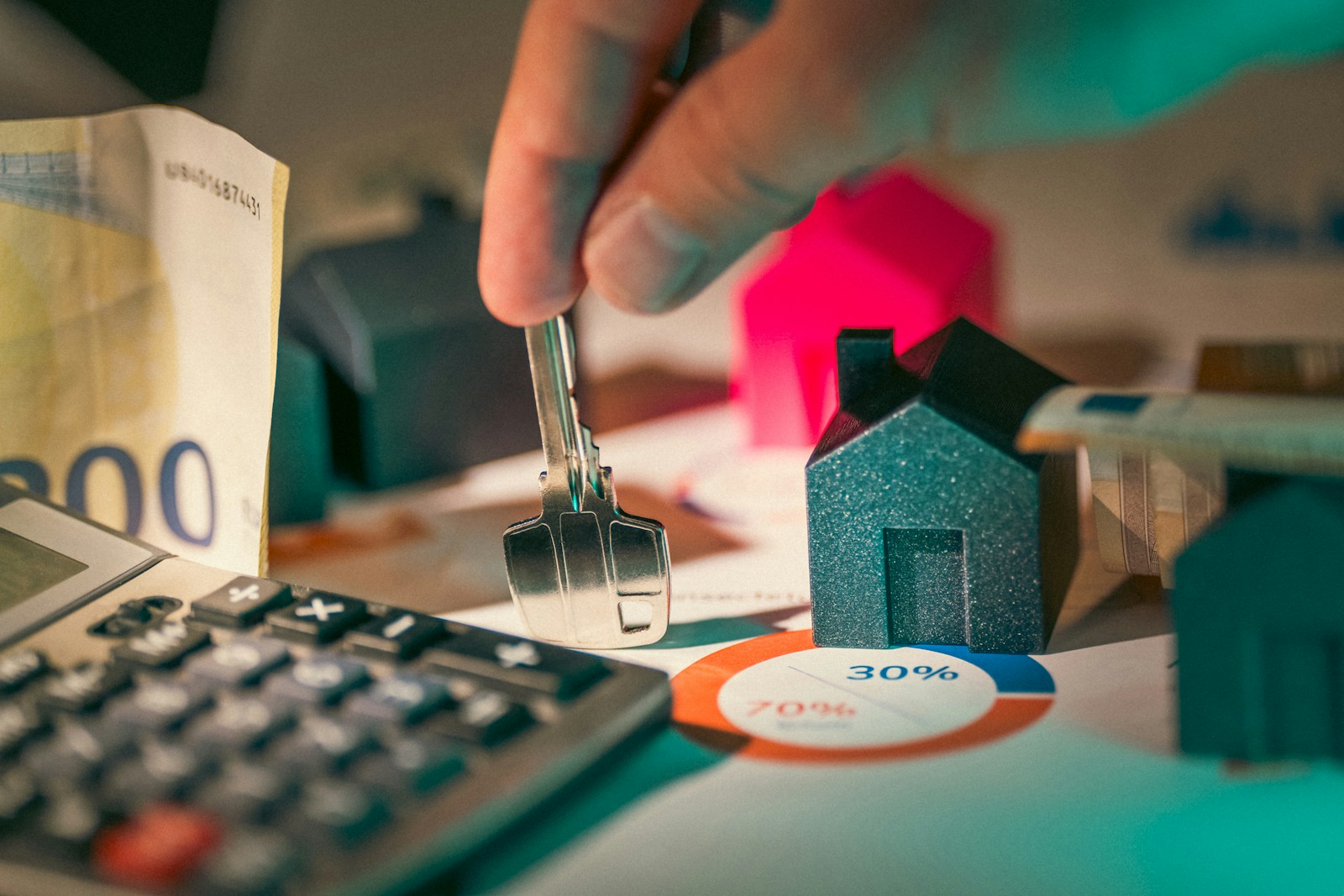
The Buyer pays a real estate deposit upon an accepted Agreement of Purchase and Sale (offer) for a property. The deposit is to provide security to the Seller in the act of good faith that the Buyer has a financial stake in the agreement.

When do I pay the deposit?

There are 3 options:

  • Herewith - the deposit is submitted with the Agreement of Purchase and Sale. If the offer is accepted by the seller(s), the cheque or bank draft is deposited. If not, you can simply return to your bank and redeposit the funds back to your account.

  • Upon Acceptance (most common) - the deposit is due within 24 hours of the offer being accepted. 

  • As otherwise described in this Agreement - sometimes buyers pay several deposits. For example: a portion upon acceptance, and a portion after conditions are fulfilled or waived.

These terms will be described in the Schedule A of the Agreement of Purchase and Sale. Generally in the Kingston area the deposit is due Upon Acceptance - i.e. within 24 hours of your offer being accepted by the seller.

How can I pay my deposit?

You can pay via bank draft, money order, certified cheque, wire transfer, or sometimes several e-transfers (limit is often $3000 on e-transfers and you can expect the deposit to be more than this). The specific instructions will be provided by the listing (seller's) brokerage.

How much is the deposit?

This is often described in the listing, which your REALTOR® can access. In the Kingston area, up until recently, a $5000 deposit was the norm. In the past year we have seen more buyers in breach of contract (unable or unwilling to complete a property purchase) so you can expect this to be closer to 4 or 5% of the purchase price. The higher the deposit, the better the sign of good faith in the seller’s eyes.

What happens I’m late paying the deposit?

The seller has the right to cancel the deal, and you are in breach of the agreement. Time limits are extremely important in real estate and if you are late, even by a few minutes, the seller can try to cancel. When you seriously start searching for a property, it’s important to have your deposit funds readily available.
Misconception: There is a misconception that the agreement is not firm and binding until the deposit is paid, but this is not true. If you do not deliver the deposit, you are in breach of agreement, and a seller is entitled to seek damages.

Where does my deposit go?

Deposits are generally held in the listing (seller) brokerage’s Real Estate Trust Account. The funds remain in trust until closing. If interest is payable, this must be stated in the agreement. Deposits held in Real Estate Trust Accounts are insured up to $100,000.

Is my deposit refundable?

When there are conditions in an Agreement of Purchase and Sale that are not satisfied, a real estate deposit is returned to the buyer. An example of this is if you've made an offer with a Financing Condition and the bank refuses your application during the conditional period. If you are unable to proceed with the purchase because the condition cannot be met, the buyer and seller both sign a Mutual Release during the conditional period. It's important to discuss conditions in your offer with your REALTOR®.

What happens to my deposit at closing?

Your deposit is applied to the property’s purchase price at closing. To find out what other costs are involved at closing, check out our Closing Costs blog.

Please note: this blog post is not intended to replace advice of a solicitor.

Read

Closing Costs

When we bought our first house, many of our friends were doing the same. Thankfully, they warned us to hold back a chunk of money for "closing costs". It's tempting to put as much into your mortgage down payment as possible, but you definitely need to keep some back for closing costs. So what are "closing costs" and how much are they? They are the costs to be paid at completion of a real estate sale on top of a down payment (and mortgage insurance if your down payment is less than 20%). These are not including things like home insurance, home inspections, or other details that are paid earlier and to other vendors. Let's break them down for you:

Land Transfer Tax

This is the big one. When you buy land or an interest in land in Ontario, you pay Ontario's land transfer tax. This tax is usually based on the amount paid for the land, plus the amount remaining on any mortgage or debt assumed as part of the arrangement to buy the land. Ratehub has a great Land Transfer Tax calculator. Make sure you put the area where you are buying, since Toronto has a municipal land transfer tax as well. If you are a first‑time homebuyer, you may be eligible for a refund of all or part of the land transfer tax. Kingston area examples:

  • $350,000 home: $3,725 - First-time homebuyer rebate: $3,725

  • $500,000 home: $6,475 - First-time homebuyer rebate: $4,000

  • $850,000 home: $13,475 - First-time homebuyer rebate: $4,000

Legal Fees & Disbursements

Legal fees vary, but expect them to be $700-$1000 +HST. Disbursements are the out of pocket expenses every lawyer incurs to close your transaction, including search costs, registration costs for transfer and mortgage, etc. The disbursements vary with each property but may be around $300-$500.

Title Insurance

Most lenders require title insurance to protect against losses in the event of a property ownership dispute. Title Insurance costs around $100-$300 for homes under $400,000 but increases significantly after that. For more information on Title Insurance and all it covers and does not, visit the Financial Services Commission of Ontario website.

Adjustments

The amount of money due on closing will be “adjusted” to reflect the expenses of the property that should be paid by the seller and those that should be paid by the buyer, depending on the number of days of the year each party owns the property. Examples:

  • The buyer will be required to reimburse the seller if the seller has prepaid any property taxes.

  • If a home is heated by an oil furnace or there is propane tank (rurally for heating, fireplace or cooking), the seller generally fills the tank before closing and the purchaser pays the seller the cost of the full tank.

HST

HST is not applicable to the purchase price of resale homes, but it is charged on the sale of new or substantially renovated homes. If you are not sure whether a specific home has been renovated enough to incur HST, check with your accountant, lawyer, or tax professional. Also, canada.ca has great FAQs here for owner-occupied home sales and HST. If you purchase a newly constructed home, you may be eligible for an HST rebate. Check out canada.ca for more details on rebates.

Lastly, if you're shopping around and come across a "No closing costs mortgage", don't be fooled. The lender rolls your closing costs into your mortgage (increasing your mortgage) and you end up paying interest on the closing costs! Remember, if it sounds too good to be true, it usually is. Do you have real estate questions? Contact us for a no-obligation consultation.

Read

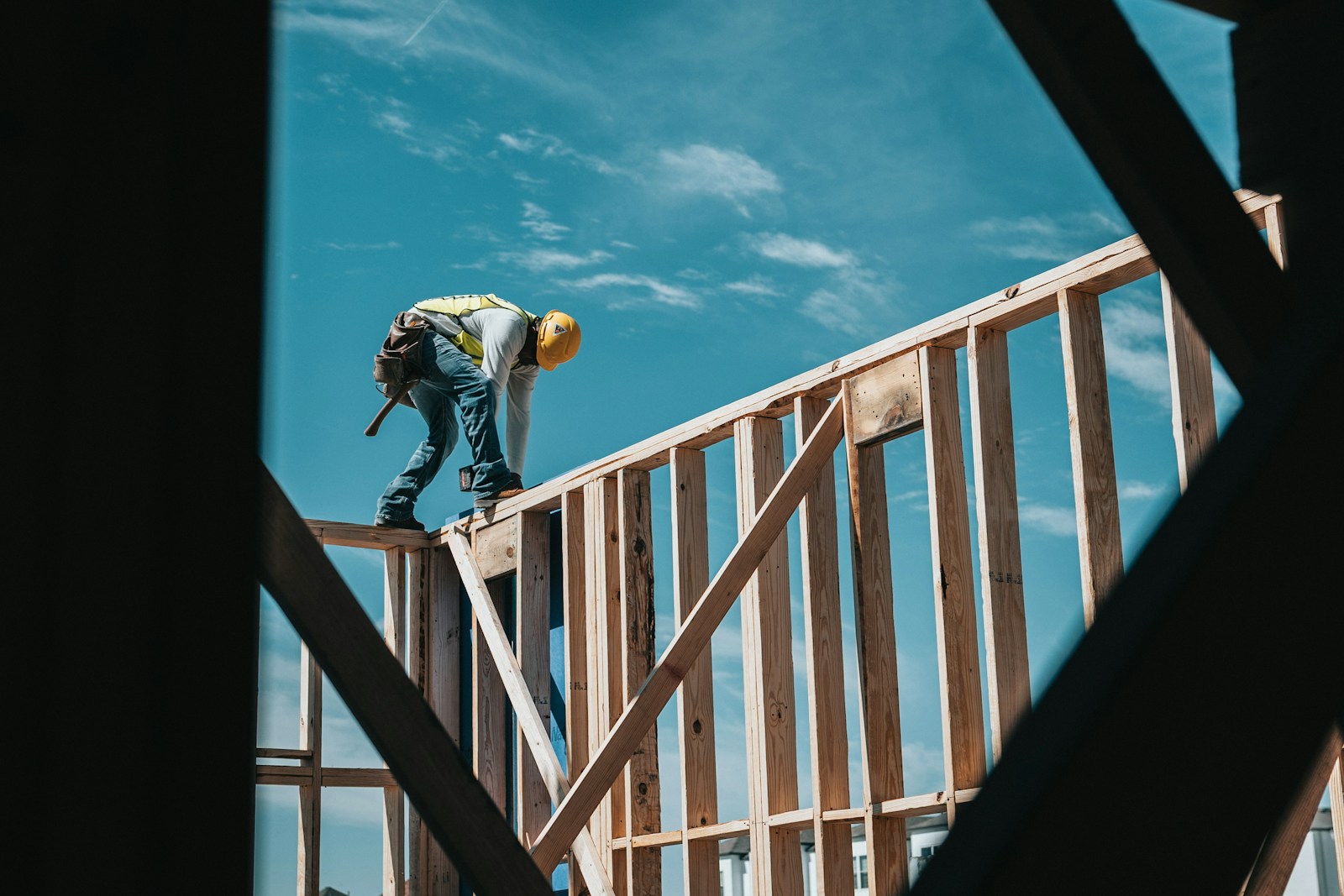
Tight Seller’s Market? Consider New Construction

Frustrated Buyers Turning to New Construction

Across much of the country, real estate markets are tight and inventory levels are historically low. Some homeowners are reluctant to list because they don’t want strangers walking through their homes right now. Others have spent so much time at home that they’ve started re-evaluating how their space supports their lifestyle, leading to a “right-sizing” mindset.

With properly priced homes selling quickly, many buyers are feeling the frustration. For anyone who has some flexibility with their timeline, new construction can be a great alternative to competing in the resale market.

New construction offers something many buyers love:
a fresh, blank canvas to create their ideal home. Modern floor plans, updated mechanicals, and the ability to personalize finishes are appealing in any market—but when resale inventory is low, the draw becomes even stronger.

That said, buying new construction comes with its own set of considerations. Before jumping in, it’s important to ask a few key questions.


Questions to Ask Before Buying New Construction

1. How long will the home take to build?

  • What possible delays could impact your timeline?

  • How does the projected completion date align with selling your current home or arranging interim housing?

2. Is your completion date affected by other buyers?

  • Are timelines dependent on the sale or occupancy of other units or phases?

3. What’s included in the base price?

  • Which finishes, features, and appliances come standard?

  • What upgrades or custom add-ons will cost extra?

4. Are there condo or homeowner association fees?

  • What do they cover?

  • How might they change over time?

5. What’s happening around the development?

  • Are there future plans for roads, parking, traffic changes, or additional buildings that could affect noise, congestion, or your view?

Understanding these details helps set realistic expectations so you can decide whether new construction is the right fit for you.


Why New Construction Can Be a Smart Move

In a competitive resale market, buyers can find themselves writing multiple offers and repeatedly missing out. New construction removes a lot of that pressure. Developers in today’s climate are also offering attractive incentives, making this option even more appealing for buyers who have time to wait for a build.


Curious About New Home Developments in Kingston?

If you’re exploring new construction as an option in Kingston and area, we’re happy to chat and walk you through what’s currently available.

Book a quick call with us here.

Read
This website may only be used by consumers that have a bona fide interest in the purchase, sale, or lease of real estate of the type being offered via the website. The data relating to real estate on this website comes in part from the MLS® Reciprocity program of the PropTx MLS®. The data is deemed reliable but is not guaranteed to be accurate.