RSS

Can I Take a Photo at a Showing?

I want to buy a house, but may I record a video or take pictures of it?

The short answer is no, unless you have received the homeowner's consent, either personally or through their agent.

It can be tempting to snap photos and videos while looking for a home nowadays when everyone carries a cell phone camera in their pocket. If you have toured a lot of houses and want to keep note of which features were present in which residence, this might be extremely useful.

Additionally, if you come across a house you really like, you might want to show pictures or videos of it to your family and friends to get a second or third view. You might also want to take pictures of any places you want to remodel so you can show them to a contractor.

In any case, We strongly advise you to ask your agent. They frequently have access to a wealth of images of listed properties, and some may even offer in-depth video tours, which are more and more popular since the pandemic started. You also have access to the listing photos posted publicly.  

Ask your agent to speak with the seller first if there is anything you want to take a photo or video of.

If you have permission to take some photos and there are any restrictions you need to be aware of, the listing agent will let you know. For instance, the homeowner might not want any pictures or videos of the bedrooms where their kids sleep or specific fixtures and furnishings in the house shot.

Here are some extra factors for you to think about:

  • Remember that a property is someone else's home when you go to see it. Be cautious and considerate of their residence and privacy.

  • Avoid capturing the homeowners' personal or identifying information. This includes items like framed family portraits and certificates set up on tables and walls.

  • Do not take photos or videos of any personal items or the contents of cabinets and drawers.

  • If you are granted permission to take pictures, please remember that they are solely for your personal use and shouldn't be posted on social media or any other public platform.

To put things in perspective, if you are the one selling a house, we advise you to express any preferences or privacy concerns regarding purchasers taking photos or videos to your agent in a straightforward and concise manner. The agent will be able to follow your directions by including them in writing in all listings and marketing materials for the house and by notifying potential buyers' agents in advance of open houses and scheduled visits.

Selling your home?

You can also take preventative safety steps when getting your house ready for showings. We advise storing valuables like cash and jewellery in a safe or secured cabinet and any documents containing private information such as passports, bills, investment documents, tax returns, and medical data. You will lessen your risk by taking these measures, even if prospective buyers are typically advised not to record any personal information even if allowed to take photos, and an agent must be present during showings (unless you give special instructions that they are not required).

Read

Beginner's Guide to Flipping a House

The Canadian government has recently taken aim at house-flipping in hopes of cooling housing prices. By introducing an anti-flipping tax, Ottawa hopes to slow rapid resale activity and create more room in the market for everyday buyers. Still, under the right conditions, flipping can be a smart investment strategy and a way to build wealth. The key is knowing how to approach it thoughtfully—and with a solid plan.

Here are some helpful things to consider if you’re thinking about getting into the world of house-flipping.

A Beginner’s Guide to Flipping a House

Run the Numbers Carefully

Flipping isn’t just about buying low and selling high. There are many financial pieces to account for beyond the purchase price. Renovation costs, materials, labour, carrying costs (mortgage, utilities, taxes, and insurance), closing costs, and selling expenses all need to fit comfortably within your budget.

Ask yourself:

  • Does the home require major renovations?

  • Is the scope realistic for your skill level and timeline?

  • Do you have a financial buffer if something unexpected comes up?

You’ll also want to understand the tax implications. In Canada, selling a flipped property is treated as business income—not capital gains—and the principal residence exemption doesn’t apply. GST/HST may also come into play. It’s worth talking with an accountant so you’re clear on how your profits will be taxed.

Choose the Right Location

Location still matters—maybe more than ever. Look for areas where renovated homes are in demand and supply is limited. Access to schools, parks, transportation, and everyday amenities plays a major role in buyer appeal.

A “great deal” in a location buyers avoid can quickly become a costly lesson. A solid neighbourhood, even if the purchase price is higher, will typically offer more reliable resale potential.

Manage Your Timeline

Time is money with flipping. The longer a project takes, the more you’ll spend on carrying costs. Before committing, consider whether the renovation timeline is realistic. If the scope looks overwhelming or could drag on, it may be wise to walk away and wait for a better opportunity.

Work with Reliable Professionals

The right contractor team can make or break a flip. Quality work, completed on schedule, directly impacts your bottom line. Ask for references, view previous projects, and make sure everything is in writing. Cutting corners on labour often ends up costing more than it saves.

Permits Matter

If you’re making structural changes, additions, or altering major systems (like plumbing or electrical), permits are typically required. Build time into your schedule for approvals. Working without permits can lead to expensive fixes, delays, or required removals—and buyers today are very savvy about checking.

Know Who You’re Renovating For

Before swinging a hammer, think about who your future buyer will be. Young families? Investors? Retirees? This helps determine things like layout decisions, finishes, and pricing strategy.

Different buyers value different features. For example, a family might prioritize yard space and school zones, while downsizers might focus on one-level living and low maintenance.

Understand the Tax Rules

When you sell, the profit from a flip is typically taxed as business income and must be reported to the CRA. If you repeatedly buy and sell homes, even without major renovations, CRA may still consider it business activity. Understanding how this works ahead of time can prevent surprises.


If you’re considering a flip or wondering whether a property has real potential, we’re always happy to walk through the numbers, help evaluate neighbourhoods, and connect you with reliable contractors and local experts.
We're local REALTORS® in Kingston and area, and we work regularly with investors—from first-time flippers to seasoned renovators.

Read

Closing Costs

When we bought our first house, many of our friends were doing the same. Thankfully, they warned us to hold back a chunk of money for "closing costs". It's tempting to put as much into your mortgage down payment as possible, but you definitely need to keep some back for closing costs. So what are "closing costs" and how much are they? They are the costs to be paid at completion of a real estate sale on top of a down payment (and mortgage insurance if your down payment is less than 20%). These are not including things like home insurance, home inspections, or other details that are paid earlier and to other vendors. Let's break them down for you:

Land Transfer Tax

This is the big one. When you buy land or an interest in land in Ontario, you pay Ontario's land transfer tax. This tax is usually based on the amount paid for the land, plus the amount remaining on any mortgage or debt assumed as part of the arrangement to buy the land. Ratehub has a great Land Transfer Tax calculator. Make sure you put the area where you are buying, since Toronto has a municipal land transfer tax as well. If you are a first‑time homebuyer, you may be eligible for a refund of all or part of the land transfer tax. Kingston area examples:

  • $350,000 home: $3,725 - First-time homebuyer rebate: $3,725

  • $500,000 home: $6,475 - First-time homebuyer rebate: $4,000

  • $850,000 home: $13,475 - First-time homebuyer rebate: $4,000

Legal Fees & Disbursements

Legal fees vary, but expect them to be $700-$1000 +HST. Disbursements are the out of pocket expenses every lawyer incurs to close your transaction, including search costs, registration costs for transfer and mortgage, etc. The disbursements vary with each property but may be around $300-$500.

Title Insurance

Most lenders require title insurance to protect against losses in the event of a property ownership dispute. Title Insurance costs around $100-$300 for homes under $400,000 but increases significantly after that. For more information on Title Insurance and all it covers and does not, visit the Financial Services Commission of Ontario website.

Adjustments

The amount of money due on closing will be “adjusted” to reflect the expenses of the property that should be paid by the seller and those that should be paid by the buyer, depending on the number of days of the year each party owns the property. Examples:

  • The buyer will be required to reimburse the seller if the seller has prepaid any property taxes.

  • If a home is heated by an oil furnace or there is propane tank (rurally for heating, fireplace or cooking), the seller generally fills the tank before closing and the purchaser pays the seller the cost of the full tank.

HST

HST is not applicable to the purchase price of resale homes, but it is charged on the sale of new or substantially renovated homes. If you are not sure whether a specific home has been renovated enough to incur HST, check with your accountant, lawyer, or tax professional. Also, canada.ca has great FAQs here for owner-occupied home sales and HST. If you purchase a newly constructed home, you may be eligible for an HST rebate. Check out canada.ca for more details on rebates.

Lastly, if you're shopping around and come across a "No closing costs mortgage", don't be fooled. The lender rolls your closing costs into your mortgage (increasing your mortgage) and you end up paying interest on the closing costs! Remember, if it sounds too good to be true, it usually is. Do you have real estate questions? Contact us for a no-obligation consultation.

Read

7 Tips for Selling Your Home This Winter

Winter may not be the most popular time to sell, but that doesn’t mean you have to wait until the snow melts to list your property. With the right strategy, your home can stand out in a season where competition is low and buyers are highly motivated to make a move.

Selling a home is all about emotional connection. Most buyers know within minutes whether a house feels right. Your job is to help them feel that connection the moment they step inside.

Here are 7 tips to help you sell your home this winter.


1. Make It Warm and Inviting

Now is not the time to be stingy with the thermostat. If buyers walk in and instantly feel warm and comfortable, it’s easier for them to picture themselves living there. A cozy home leaves a great first impression.


2. Keep Ice and Snow Under Control

Clear sidewalks, steps, and pathways make your home look cared for and keep everyone safe. It also reduces your liability.
If you’ll be away, ask a neighbour to help keep the entry shovelled and sanded, or hire it out.


3. Showcase the Fireplace

If you have a gas fireplace, turn it on for showings—it adds instant warmth and ambiance.
With a wood-burning fireplace, set it up with neat stacks of birch logs.
No fireplace? Consider a simple electric model you can take with you when you move.

Around the holidays, a tasteful garland or stockings can help buyers imagine spending future holidays there.


4. Let There Be Light

Daylight is limited this time of year, so aim for daytime showings whenever possible.
Turn on every light—inside and out—to keep the home bright and welcoming.
Even though outdoor living spaces are harder to showcase in winter, putting in the extra effort matters.


5. Create a Cozy Atmosphere

When buyers step in from the cold, you want them to feel instantly at home.
A soft blanket on the sofa, warm-toned lighting, and a pleasant scent can set the mood.
You don’t need to bake cookies for every showing, but a subtle diffuser or soft music goes a long way.


6. Embrace the Season

Your home is already looking its best during the holidays.
Keep décor simple and inviting—avoid anything too large, flashy, or themed. You want buyers to notice your home, not your entire Grinch collection.


7. Share the Summer Fun

Snow hides a lot of your home’s best exterior features.
If you have photos of your gardens, landscaping, pool, deck, or patio from warmer seasons, include them in your listing and leave a small album out for showings.
It helps buyers picture the home year-round.


Why Sell in Winter?

Winter selling has its perks. The biggest advantage is less competition—there are typically fewer homes for sale, which helps your listing stand out.
And although winter is slower overall, the buyers who are looking tend to be more serious.

In December 2020, more than 244 homes sold in the Kingston area.
In 2021, year-to-date sales are up 12%, so it’s likely that over 270 homes will sell this December.


Thinking About Selling This Winter?

If you're considering making a move, reach out for a free, no-obligation home valuation. We’re here to help you plan your next steps with confidence.

Read

Is Now the Right Time to Sell Your Home in Kingston?

The last two years have been extraordinary for the Kingston real estate market. Low inventory, low interest rates, and strong buyer demand have pushed average sale prices up 50.2% since October 2019. Even before the pandemic, Kingston was firmly in a seller’s market, but the acceleration that followed the spring of 2020 was unlike anything we’d seen.

Traditionally, Kingston and the surrounding areas—Napanee, Loyalist Township, Frontenac, and Lennox & Addington—follow a predictable seasonal rhythm. Spring is typically the busiest time of year. July and August tend to slow down, activity picks up again in early fall, and the market usually gets quieter over the holidays. Recently, we’ve seen a shift back toward that familiar pattern.

A common question we hear from homeowners is whether they should sell now or wait for spring. We wish we had a crystal ball, but real estate doesn’t work that way. What we can do is look at history and today’s indicators, and those suggest that conditions should remain strong as we move into 2022.

In October, 343 homes were listed and 330 sold. Average prices were 26.3% higher than the same month last year. Homes are moving quickly and selling for top dollar.

How to Decide When to Sell

Choosing the right timing depends on your circumstances.

• Do you need to move soon?
If your life situation has changed—job relocation, family needs, or financial considerations—you may not have the option of waiting for the “spring market.” In that case, now is still an excellent time to sell.

• Who is most likely to buy your home?
Understanding your likely buyer helps with timing.

  • Young families often move in the summer between school years.

  • Retirees and snowbirds are less active during peak winter travel months.

  • First-time buyers, often renters, have more flexibility and can move at almost any time of year.

• Will you also be buying your next home?
Spring brings more buyers—but also more competition when you’re house hunting yourself. Balancing both sides of your move is a key part of the strategy we build with our clients.

Every home in Kingston and area is unique, and so is every seller’s situation. If you’re considering a move, we’re happy to walk through your options and help you map out the best approach for your goals and timeline.

Thinking about selling? Reach out anytime—we’re here to help you plan your next step.

Read

7 Home Renos That Will Increase Your Resale Value Big Time

You want to make the most money possible when it comes time to sell your home. The way to do that is by improving and updating the things in your home that buyers look for the most.

We compiled this list for those looking to boost their resale value. Focusing on the renovation projects that will net you the highest ROI is important. All of the projects on this list were chosen for their ability to produce high ROI as well as create a more desirable home. Remember - it's important to make money. But your house must also not sit on the market for a year.

Make these updates, and you should fetch a high sale price quicker than you would otherwise.

Remodel Kitchen

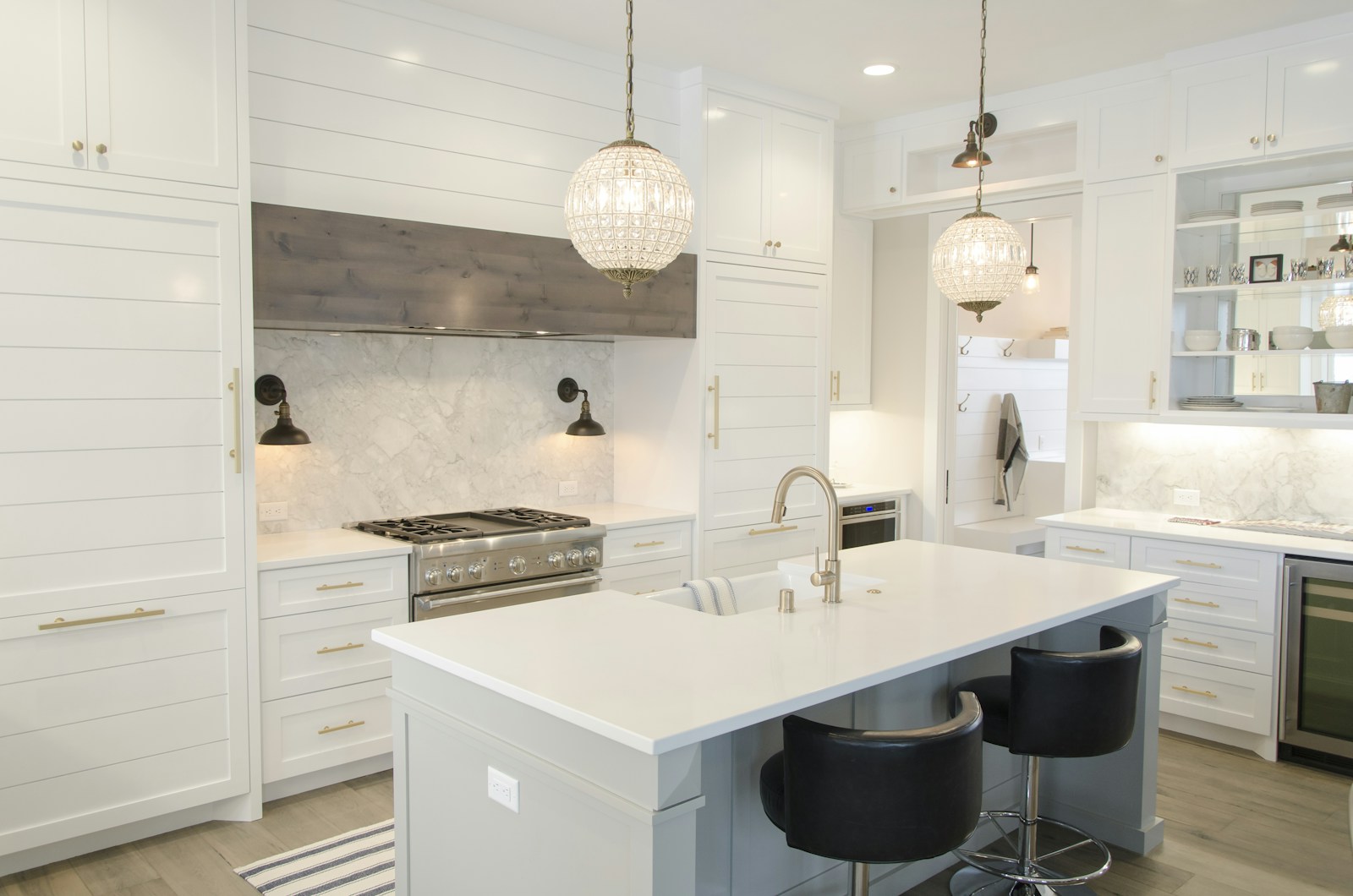
The decision among real estate experts about where you get the highest ROI renovating your home is unanimous. The answer is in the kitchen. For some reason, people just want nice kitchens and care about them more than the rest of the house... Maybe it's because that's where people like to entertain guests.

Your main priority when renovating a kitchen should be layout. Creating a functional structure (or bones) that can be updated easily is important. It's one thing to replace a countertop and cabinet doors. It's a different story to completely renovate the whole kitchen.

Once you get the structure out of the way, search for materials that have a high-quality look without a big price tag. You can make a space look modern and luxurious without having to use marble and granite.

Many people have put in expensive goodies and never fix the bad flow. Spend the money on the layout — it never goes out of style. Plugging in new appliances, hardware, and cabinets can be quick and easy if you have a great layout.

Update Bathrooms

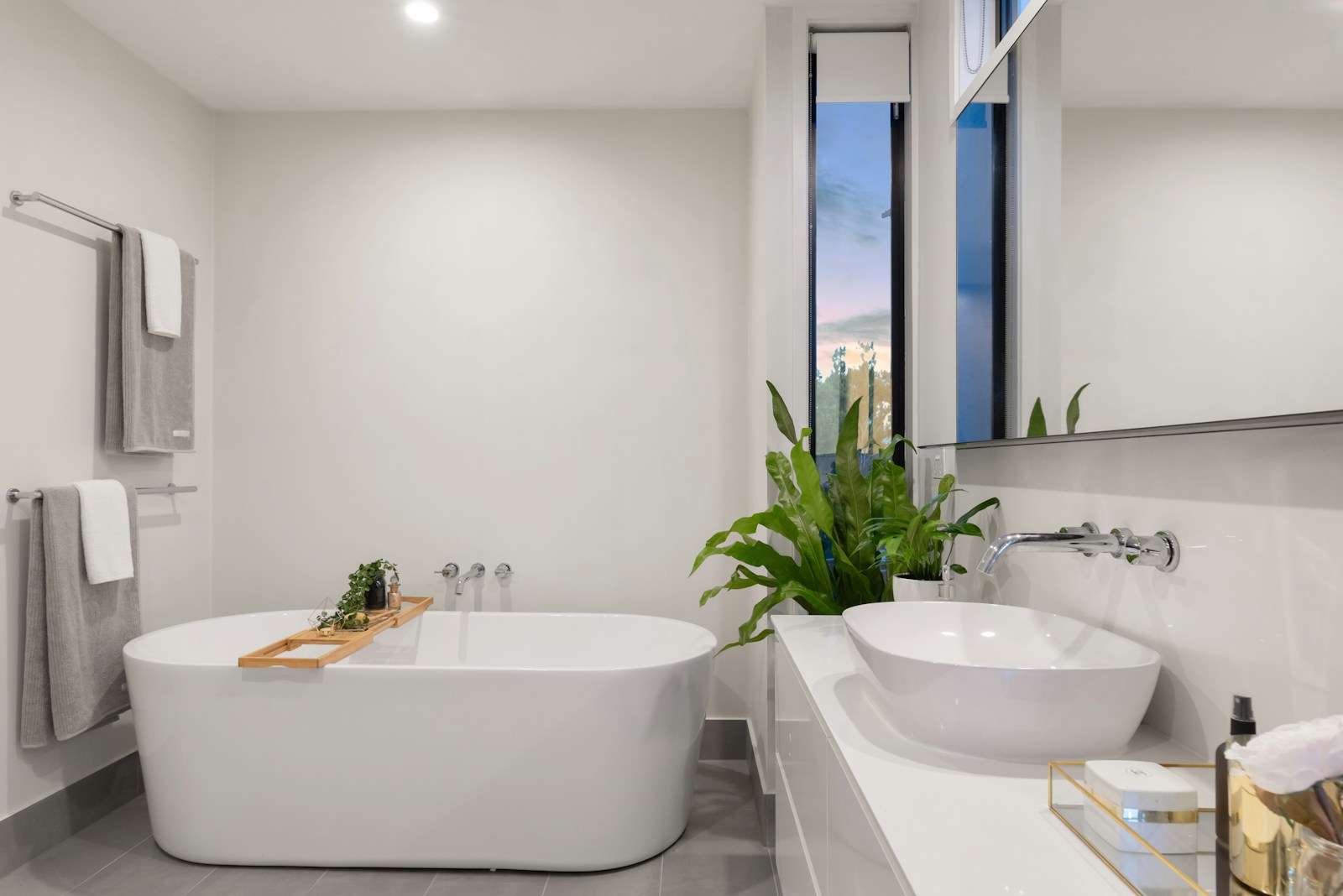
Bathrooms are the second place buyers typically place the most value in a home. The good news is that making updates to a bathroom doesn't have to cost a fortune. En-suite/master bathrooms are the most important. As they say, it's where the magic happens. Cast a spell on potential buyers with a beautiful en-suite. That was really corny, I know...      

Re-do Plumbing

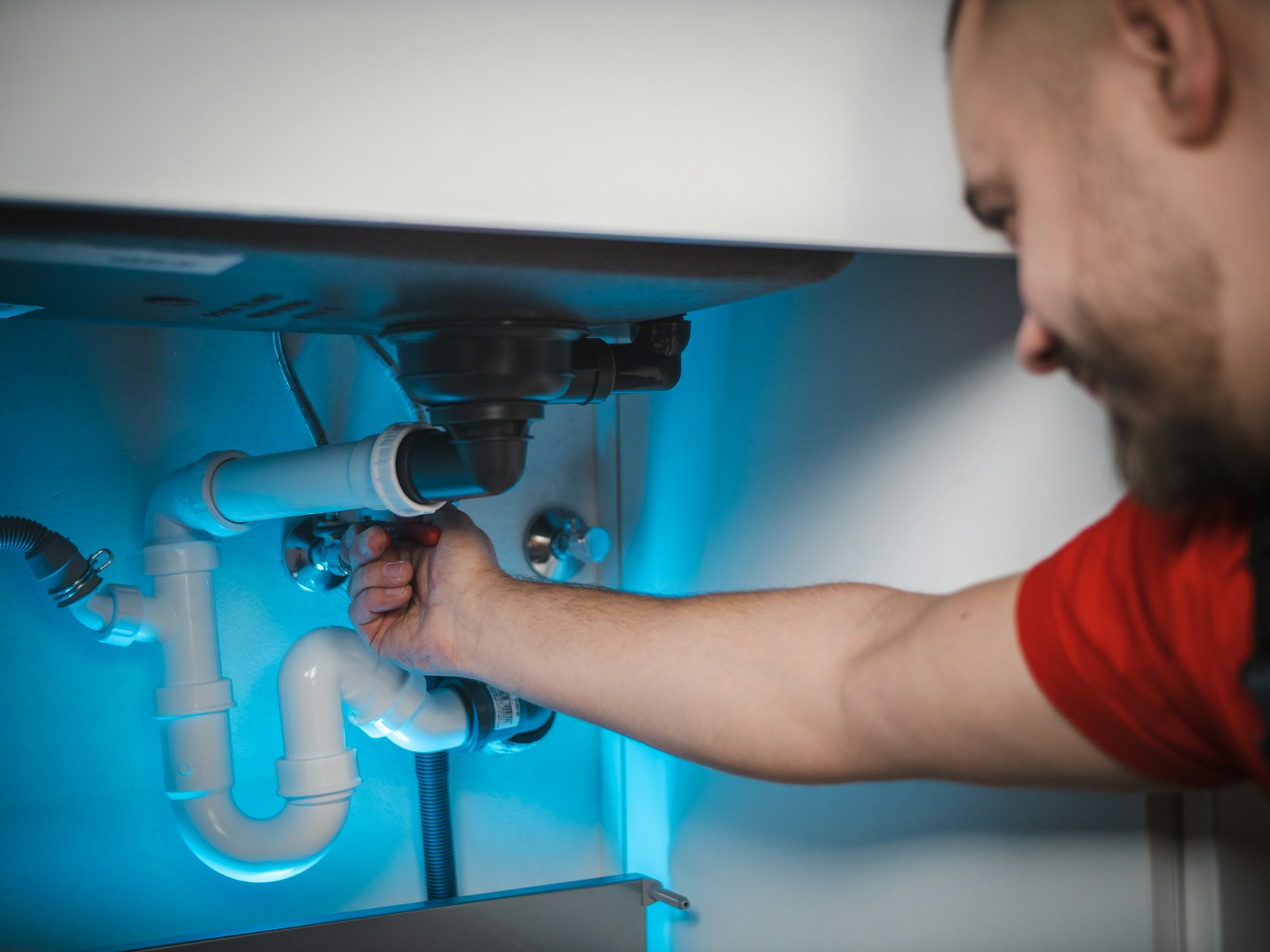
Can we say structural problems? This is the #1 worry of all potential buyers. No one wants to move into a beautiful new house and have a disaster occur two or three months down the road. Re-doing your old piping and updating it to a newer plastic solution is a huge selling point. This removes some of the potential fear that comes with buying a home.      

Remove Paneling and Stucco

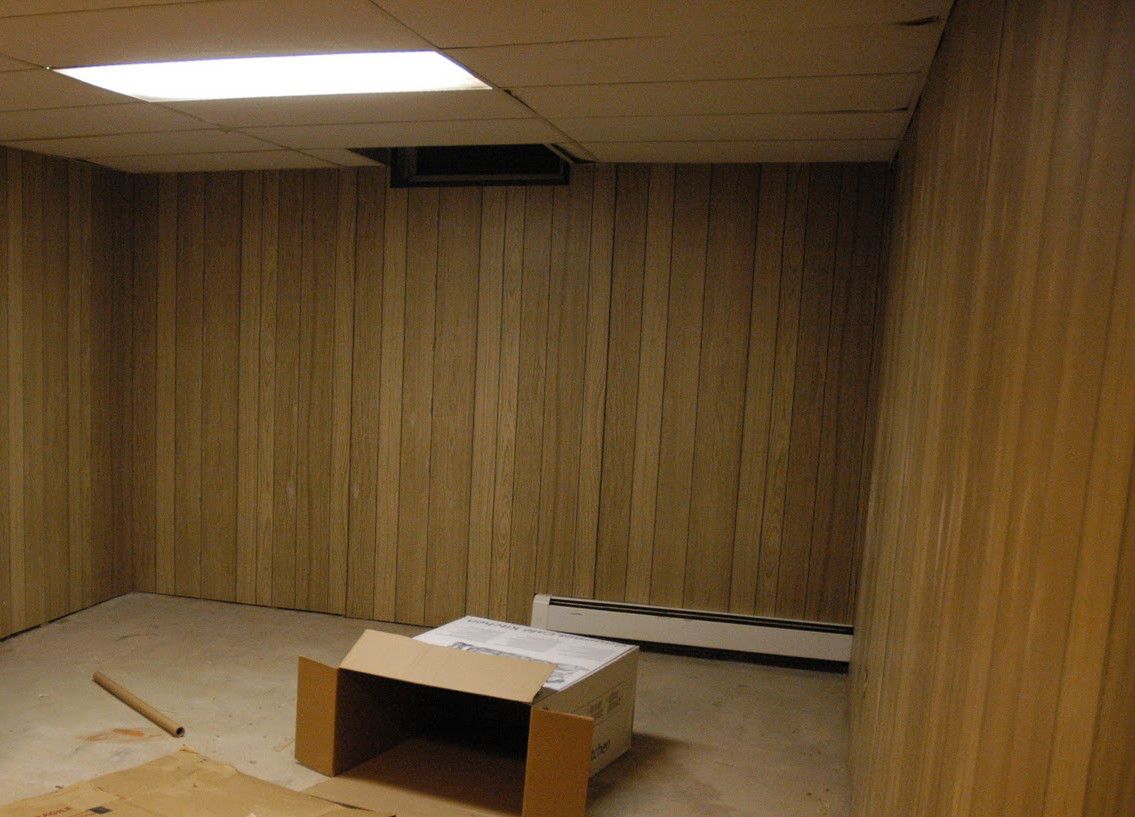
Wood panelling and Stucco are common in older homes. Mainly because we didn't have walls without imperfections when it was popular like we do now. Not only are these two things ugly, but they also show potential buyers that you lack the ability to update your home. "If you can't update this, what is is lurking?" Spend the time and money to update your panelling walls and get rid of the Stucco.    

Attic Renovation

Attic renovations are popular among DIY projects as expenses can be minimized. In many houses, you will have the bones for a room. All you require is putting up walls and handling the cosmetics. Updated attics can sometimes be a stronger selling point than updated basements.      

Replace Siding

Since curb appeal is so important, focusing on the biggest factor makes sense. The outside of the house. Everyone knows the dingy, yellow siding that used to be white 60 years ago look. If your house looks like that - sorry. It's time to update. For those on a budget, you can also try power washing. Power washing sometimes brings better results than you could imagine. And it barely costs anything.    

New Garage Door

In addition to replacing/refreshing your siding and landscaping well, your garage door can play a big part in selling your house. It's another element of curb appeal that can draw in or turn off potential buyers. Luckily, new garage doors re-coup on average 80% of their investment in the long term. Basically, it will help you break even (or make money) while making your house more desirable.    

You want to sell your home in the least time and for the most money possible. The way to do this is by performing renovations with a high ROI. In addition, you want to focus on the most desirable updates. Doing so will ensure you attract more interest in your property.

Each of these on the list may not be necessary or feasible with your budget. Remember that curb appeal, kitchens and bathrooms are important. If you can focus on nothing else, focus on those things. These projects will reduce your risk of losing money in the renovation process and help you sell quicker. 

Need more information on selling your home in the Kingston area? Give us a call. No pressure, just good advice.

Read

Kingston and Area Real Estate Blog

Kingston & Area real estate insights from local REALTORS® Lynn & Lorna. market updates, buying & selling tips, neighbourhoods, local love, and smart local advice.

This website may only be used by consumers that have a bona fide interest in the purchase, sale, or lease of real estate of the type being offered via the website. The data relating to real estate on this website comes in part from the MLS® Reciprocity program of the PropTx MLS®. The data is deemed reliable but is not guaranteed to be accurate.